
Introduction:
The human eye is an astonishing organ, intricately designed to perceive the world around us with remarkable clarity and precision. From its complex anatomy to the intricate processes involved in vision, the eye stands as a testament to the marvels of nature's craftsmanship. In this comprehensive article, we embark on a journey to explore the inner workings of the human eye, shedding light on its anatomy, physiology, common disorders, advances in eye care, and the profound implications for human perception.
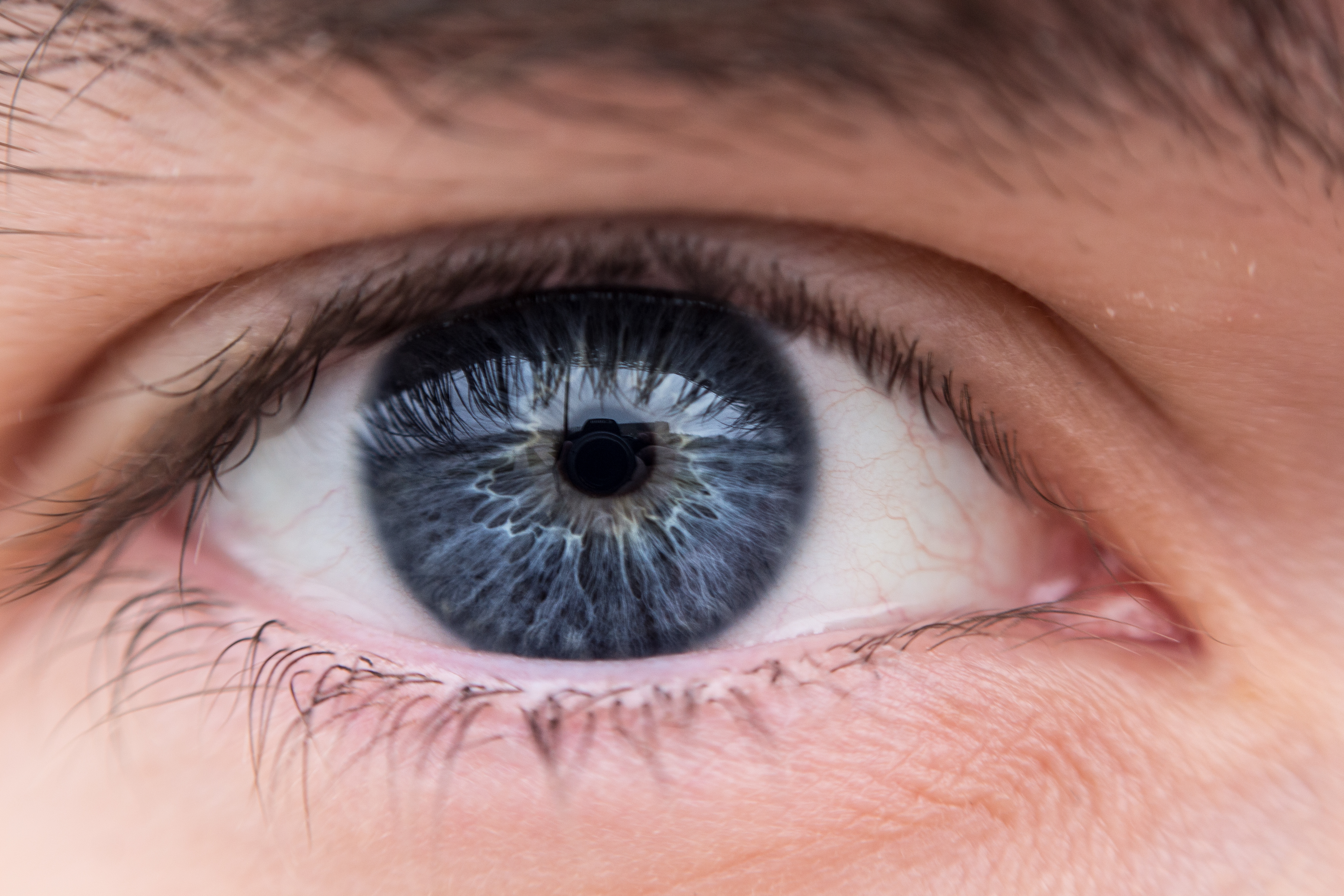
Anatomy of the Eye:
At the forefront of our exploration is the outermost layer of the eye, the cornea—a transparent dome-shaped structure that serves as the window through which light enters. Behind the cornea lies the anterior chamber, filled with a clear fluid known as aqueous humor, which helps maintain the eye's shape and nourishes surrounding tissues.

Delving deeper into the eye's structure, we encounter the iris—a colored, muscular diaphragm responsible for regulating the size of the pupil. The pupil, a central aperture, adjusts in response to changes in light intensity, allowing optimal amounts of light to enter the eye. Behind the pupil resides the crystalline lens, a flexible, transparent structure that further refracts incoming light onto the retina.
The retina, a thin, light-sensitive layer lining the back of the eye, plays a crucial role in the process of vision. Comprising millions of specialized cells called photoreceptors—rods and cones—the retina converts light energy into electrical signals, which are then transmitted to the brain via the optic nerve.
Physiology of Vision:
The journey of vision begins when light enters the eye through the cornea and passes through the pupil, where it is focused by the crystalline lens onto the retina. Here, photoreceptor cells undergo a process known as phototransduction, wherein they convert light energy into electrical signals.
Rods, concentrated in the peripheral regions of the retina, are highly sensitive to low levels of light and are responsible for night vision and detecting motion. Cones, predominantly found in the central region known as the fovea, are responsible for color vision and visual acuity, enabling us to discern fine details and perceive a broad spectrum of colors.
Once the electrical signals are generated, they are transmitted along the optic nerve to the brain's visual cortex, where they undergo complex processing and interpretation. The brain integrates these signals from both eyes to form a coherent visual perception, allowing us to navigate our environment and interact with the world around us.
Vision Disorders and Diseases:
Despite its remarkable capabilities, the eye is susceptible to a myriad of disorders and diseases that can impair vision and compromise ocular health. Refractive errors, including myopia (nearsightedness), hyperopia (farsightedness), and astigmatism, result from abnormalities in the shape of the cornea or lens, leading to blurry vision.
Other common conditions, such as cataracts, glaucoma, and macular degeneration, can cause progressive vision loss and may require medical intervention to preserve eyesight. Cataracts, characterized by the clouding of the eye's natural lens, can be surgically removed and replaced with an artificial lens to restore vision. Glaucoma, often referred to as the "silent thief of sight," is a group of eye conditions that damage the optic nerve and can lead to irreversible vision loss if left untreated.
Macular degeneration, a leading cause of vision loss among older adults, affects the macula—a small area in the retina responsible for central vision and fine detail. While there is currently no cure for macular degeneration, treatments such as anti-vascular endothelial growth factor (anti-VEGF) injections and photodynamic therapy can help slow its progression and preserve remaining vision.
Advances in Eye Care:
In recent years, significant advancements in medical technology and research have transformed the landscape of eye care, offering new hope and improved outcomes for patients with a wide range of ocular conditions. One such breakthrough is the advent of laser-assisted refractive surgery, such as LASIK (Laser-Assisted In Situ Keratomileusis) and PRK (Photorefractive Keratectomy), which provide effective solutions for correcting refractive errors and reducing dependence on glasses or contact lenses.

Furthermore, developments in pharmacology have led to the discovery of novel therapies for conditions such as age-related macular degeneration (AMD) and diabetic retinopathy, offering promise for improved outcomes and vision preservation. Anti-VEGF injections, which target abnormal blood vessel growth in the retina, have revolutionized the treatment of AMD, helping to stabilize or even improve vision in many patients.
Additionally, ongoing research into stem cell therapy and gene editing holds tremendous potential for the treatment of previously untreatable eye diseases. Stem cell therapy aims to regenerate damaged retinal tissue, while gene editing techniques, such as CRISPR-Cas9, offer the possibility of correcting genetic mutations underlying inherited retinal diseases.
Conclusion:
In conclusion, the human eye stands as a marvel of biological engineering, offering us the extraordinary gift of sight. Through its intricate anatomy, physiology, and the complex processes of vision, the eye enables us to perceive the world with unparalleled clarity and depth. By understanding the workings of this remarkable organ and investing in its care, we can ensure the preservation of vision and enhance the quality of life for millions of people worldwide.
0 Comments